
- Admin
- 0 Comments
Role of Engineering Lab Equipment In Educational and Professional
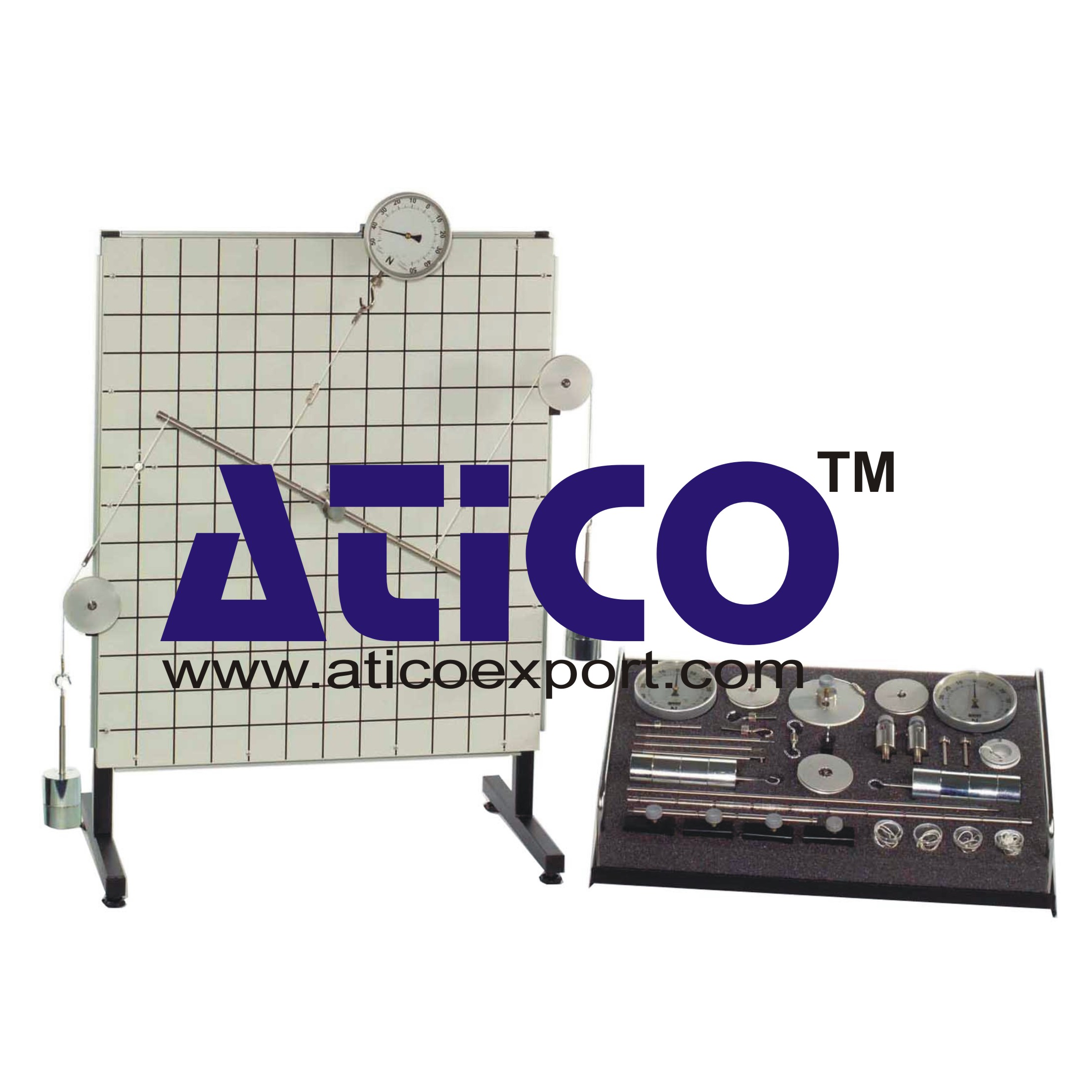
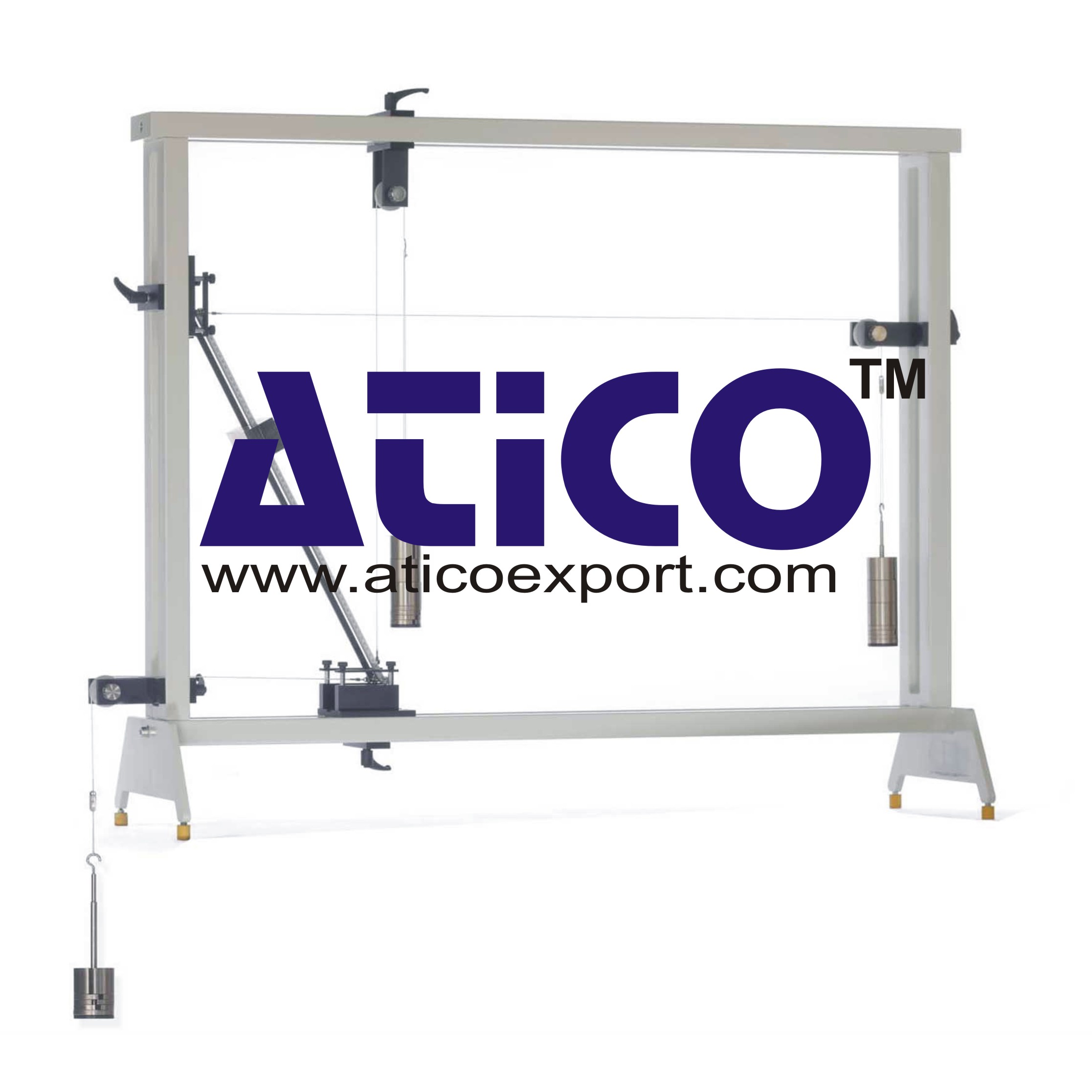
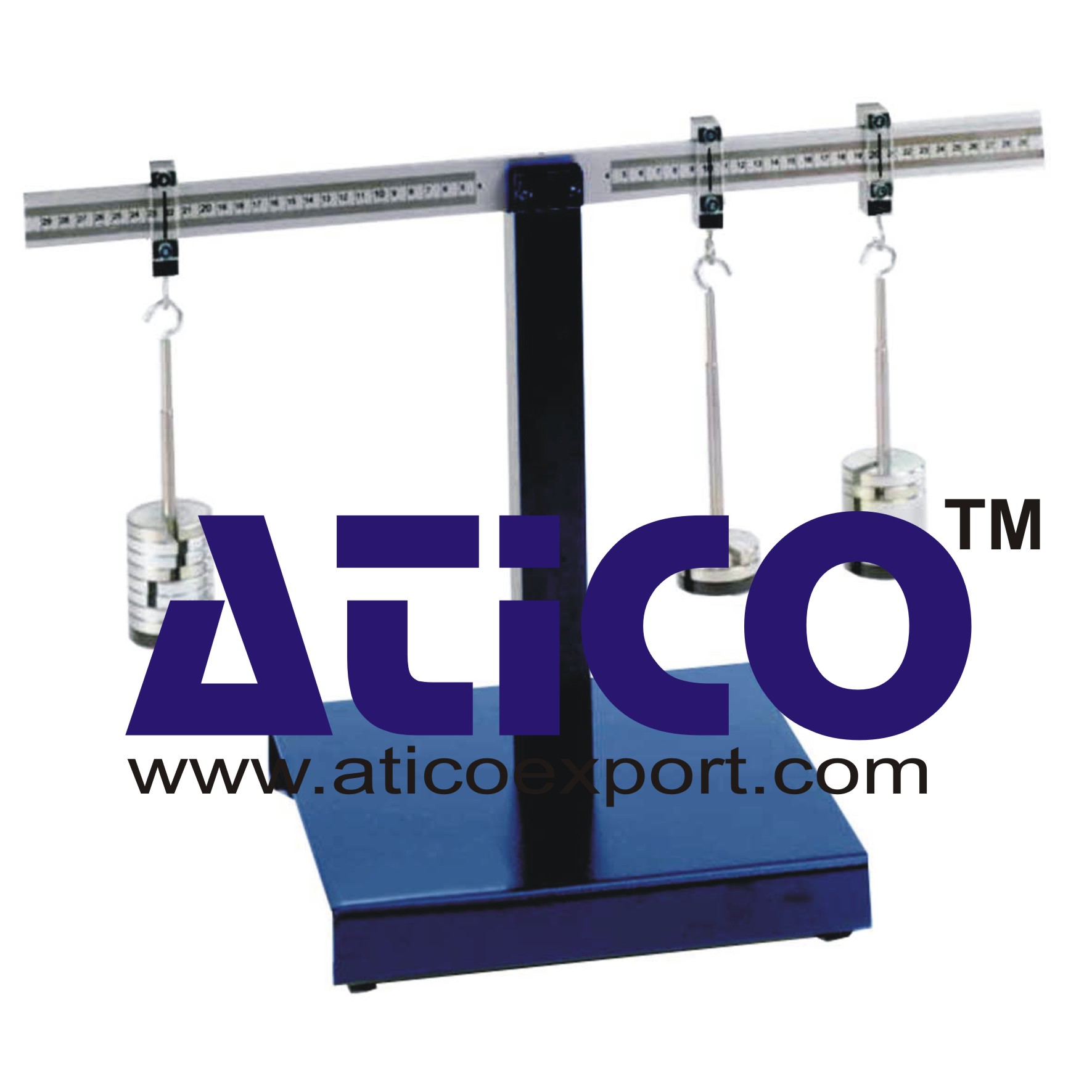
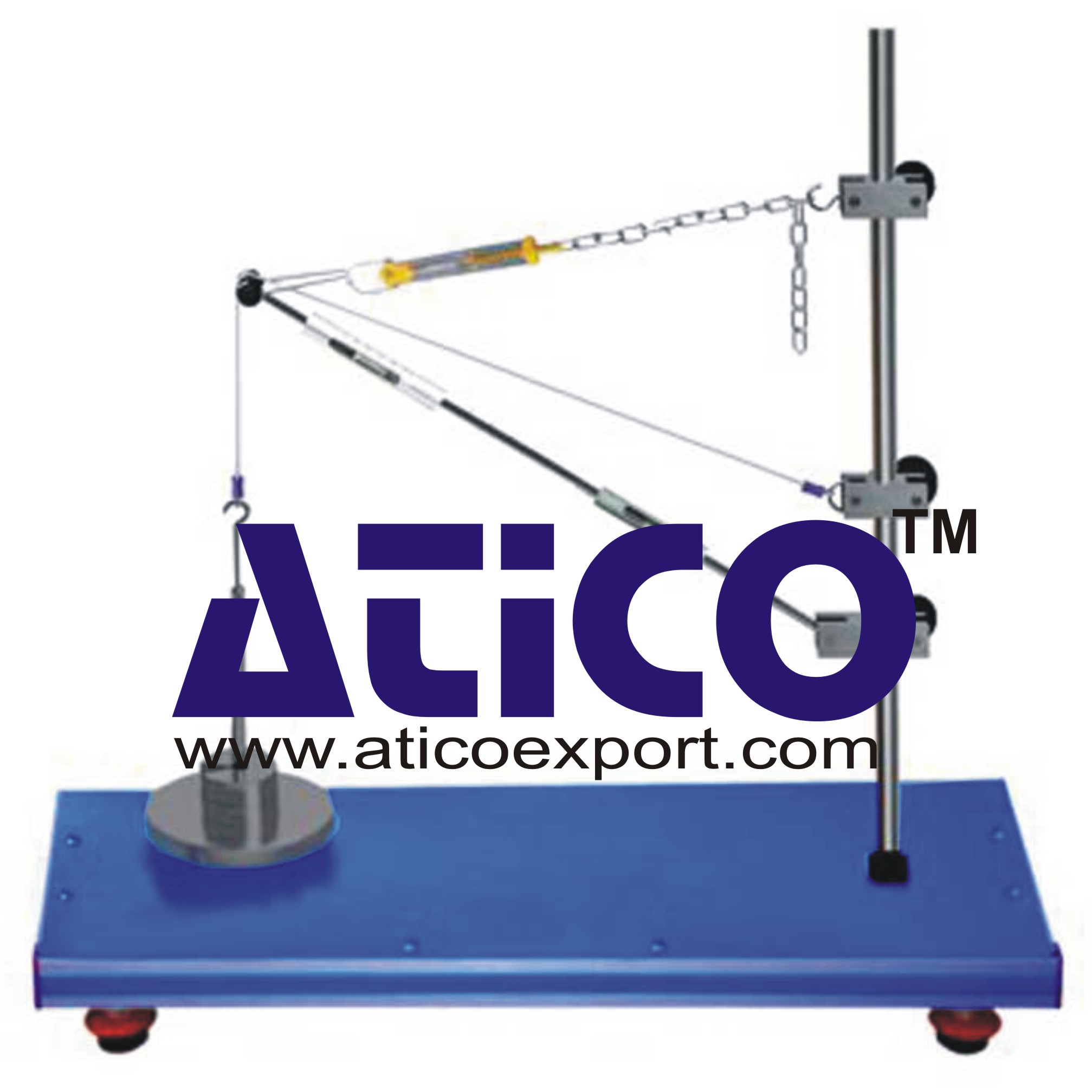
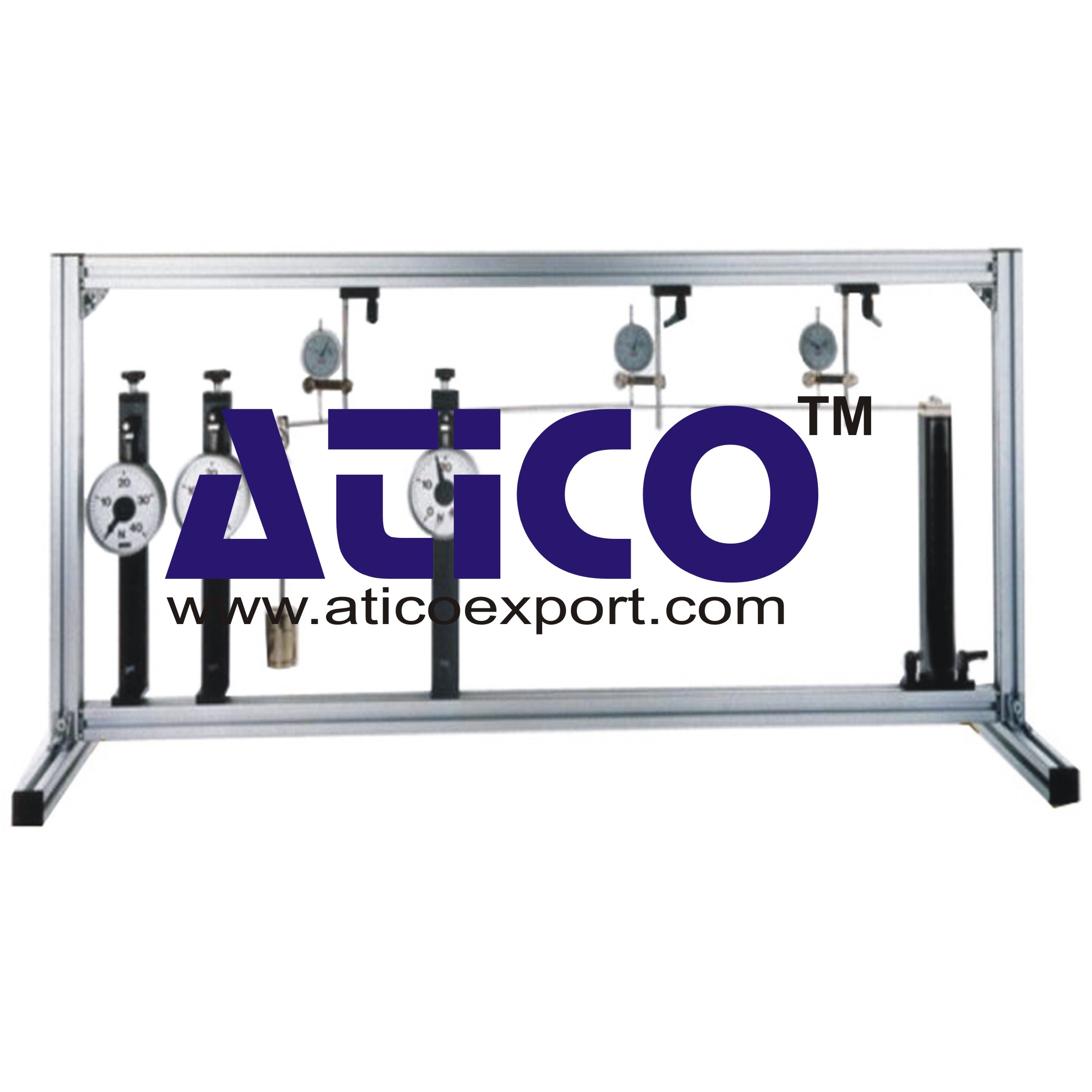
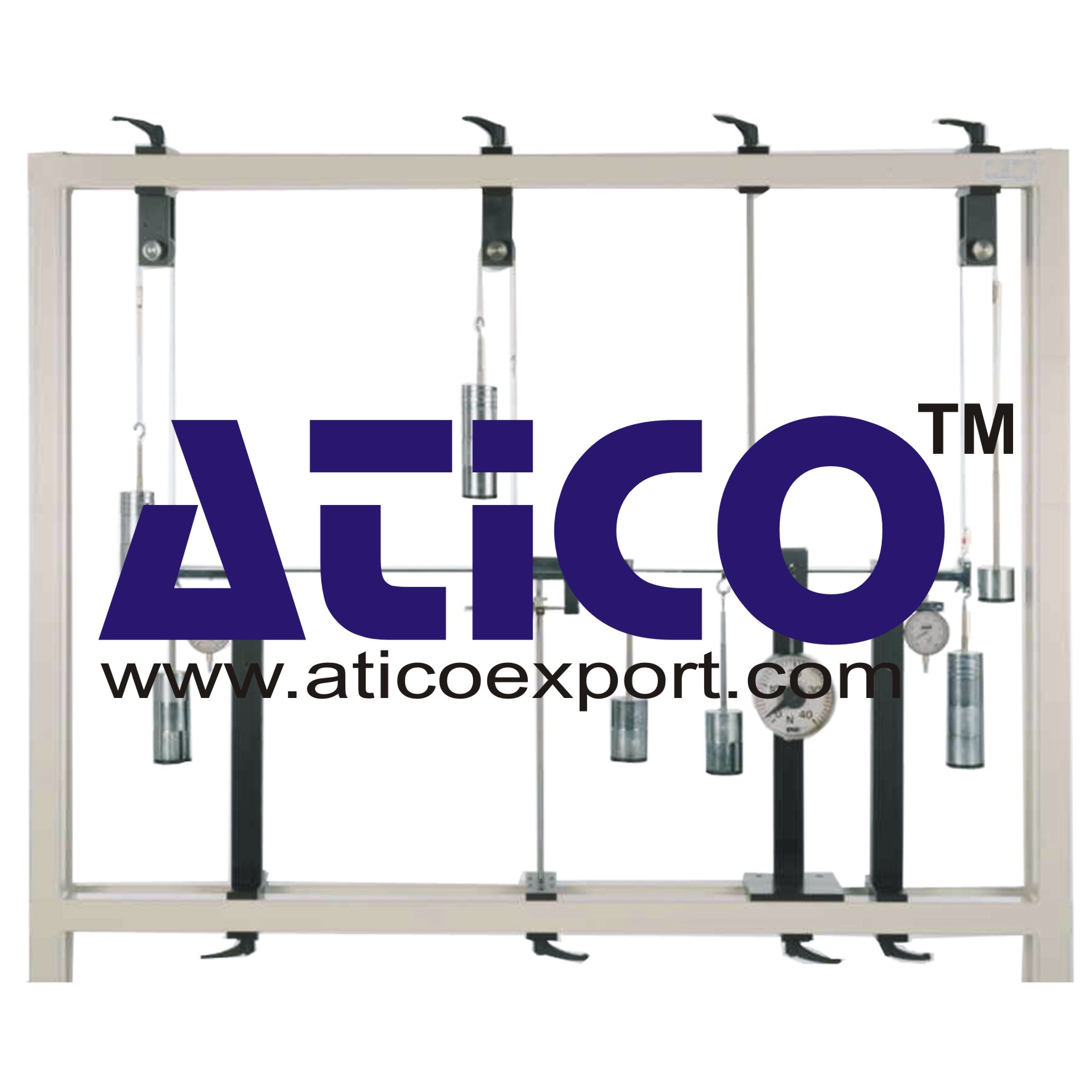
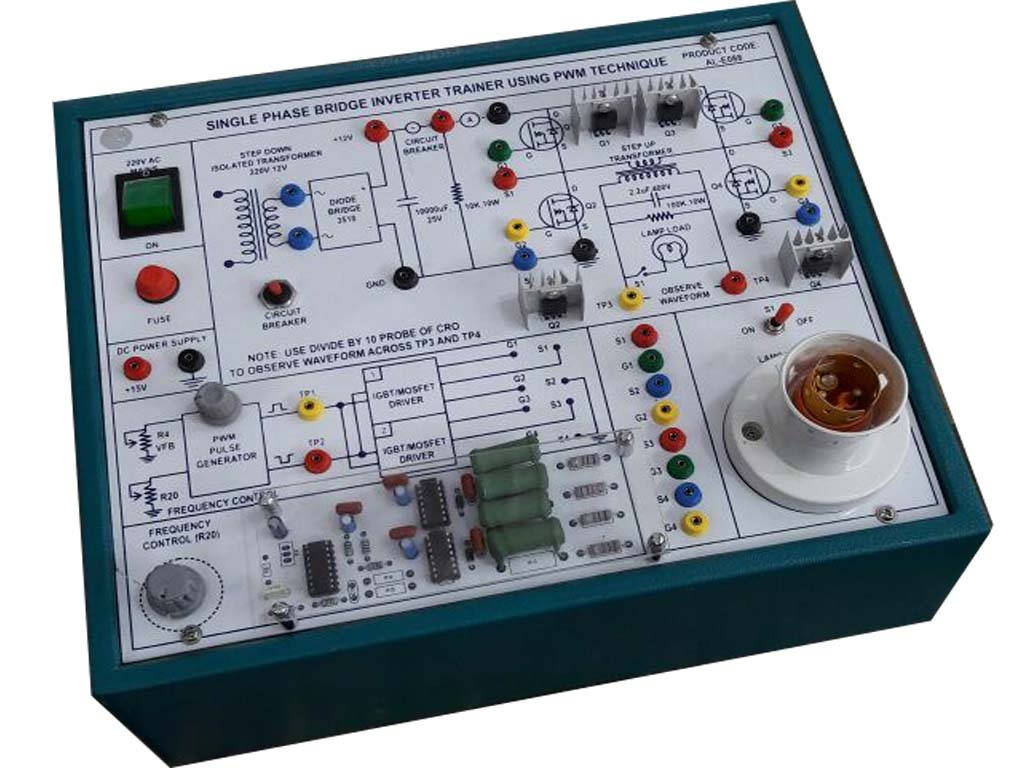
Enhancement of quality and security of our lives has always desired humans; to think better than before. The breakthrough in science and technology has led to advancements in every field. Engineers are the visionaries who, with their engineering lab equipment, create marvels such as buildings, roads, automobiles, medical equipment, household equipment, aeronautics equipment, and the list seems to be never-ending.
Engineering Lab equipment manufacturers have gained extensive knowledge as they have been manufacturing world-class Laboratory Instruments for more than 30 years now across the world.
The need for safe, secure, premium quality and, highly affordable engineering lab equipment has increased manifolds. The primary reason for the same is the need for a hands-on technical learning experience.
With every passing day, the unlimited benefits of setting up engineering laboratories at the school and college level are being acknowledged. The traditional route of learning is a past in the current times. The new-age learning requires a whole new range of equipment, tools, instruments, and teaching methodology.
Under each category, there is a massive range of laboratory products that are reliable, easy to use, low maintenance, and come with an instruction manual that aids in the usage of equipment.
To view the entire range of products under these categories, kindly visit our website. We wish to serve you with the best in the industry and for the same, kindly let us know your product requirements and, our team of professionals will assist you with the best.
Importance Of Engineering Lab Equipment In Schools & Colleges
Engineering Education is incomplete or is of no substantial significance if there is no laboratory practice or work. Engineering is a field of study that requires gaining knowledge, understanding the fundamentals of science, extensive experimentation, and detailed research. Learning by doing is of massive importance to gain insight into how things around us function.
As as trusted manufacturer & supplier we have laid a strong foundation by understanding what all equipment is needed in an engineering laboratory by young and experienced engineers, researchers, physicists, teachers, students, and lab technicians. We encourage young minds to initiate and develop a scientific bent of mind. We have achieved the same by creating a platform that exposes their minds to the unique world of applied sciences.
Top 11 Engineering Lab Equipment List for Students & Professionals
Engineers need a dedicated facility or workspace to conduct experiments, tests, analyses, and research related to various engineering disciplines. This dedicated facility is known as the engineering lab. These labs are equipped with specialized engineering equipment, instruments, and tools specific to the field of study. Here are the top 11 Lab Equipment List Used In Engineering laboratories. It includes:
11. Universal Testing Machine (UTM)
Purpose in engineering lab: it is used in various engineering labs to evaluate the mechanical properties of materials. It is a versatile testing instrument capable of subjecting materials to various mechanical loads and determining their response.
The primary functions of a UTM include:
- Tensile Testing
- Compression Testing
- Flexural Testing
- Shear Testing
- Fatigue Testing
- Hardness Testing
- Impact Testing
The Universal Testing Machine is commonly utilized in various engineering disciplines, including:
- Mechanical Engineering
- Civil Engineering
- Materials Engineering
- Aerospace Engineering
- Automotive Engineering
Universal Testing Machine is a widely used engineering lab equipment to assess materials' mechanical properties.
10. Laser Cutting Machine
Purpose in an engineering lab: it is used to cut or engrave materials using laser technology precisely. The machine has high-powered laser beams to melt, burn, or vaporize the material, producing accurate and clean cuts or engravings.
The main functions and applications of a Laser Cutting Machine in an engineering lab include:
- Precision Cutting
- Prototyping
- Manufacturing and Fabrication
- Engraving and Marking
- Customization and Personalization
- Research and Development
The Laser Cutting Machine finds application in various engineering labs, including but not limited to:
- Mechanical Engineering Labs
- Industrial Engineering Labs
- Material Science and Engineering Labs
- Product Design and Development Labs
- Manufacturing and Production Labs
9. Atomic Force Microscope (AFM)
AFM is a powerful engineering lab equipment for studying various materials' morphology, structure, and properties, including solids, thin films, and biological samples. The purpose and applications of an Atomic Force Microscope in an engineering lab include:
- Imaging and Surface Topography
- Profiling and Metrology
- Material Characterization
- Nanomanipulation and Nanofabrication
- Surface Property Mapping
- Biological and Life Sciences
Following are the Engineering labs that may require an Atomic Force Microscope:
- Materials Science and Engineering Labs
- Nanotechnology Labs
- Semiconductor Labs
- Biomedical Engineering Labs
- Surface Engineering Labs
- Microelectronics and MEMS Labs
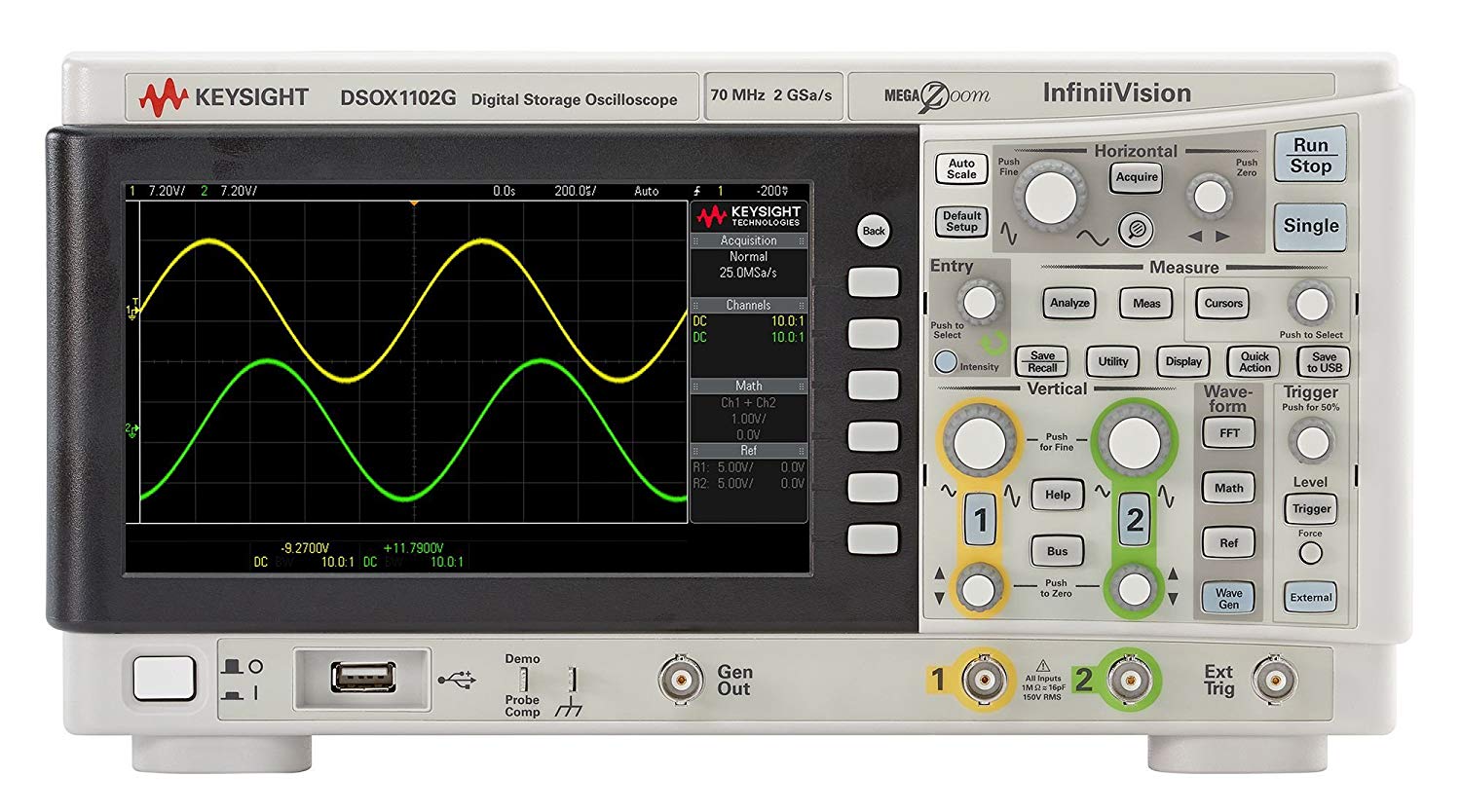
8. Function Generator
The primary purpose of a function generator is to generate electrical waveforms with specific characteristics. It is a function genrator versatile tool used in various fields of engineering and research. Here are some of its critical applications in various labs:
- Testing and Debugging
- Signal Simulation for real-world testing and validation purposes.
- Frequency Response Analysis
- Prototyping and Design of electronic circuits and systems
- Demonstrate and study various concepts in electrical engineering
Application of function generator is in these engineering labs:
- Electronics,
- Telecommunications,
- Control systems, and many other engineering disciplines.
7. 3D Printer
Purpose in engineering lab: it is an essential engineering lab equipment that creates three-dimensional objects. The main functions and applications of a 3D printer in different kinds of engineering labs include:
- Rapid Prototyping
- Design Verification before investing in costly production.
- Customizing and creating intricate designs
- Small-Batch Production
- Tooling and Jigs
- Functional Prototypes
- Research and Development
- Education and Training
Following Engineering labs can benefit from having a 3D printer, including:
- Mechanical Engineering Labs
- Product Development Labs
- Aerospace Engineering Labs
- Biomedical Engineering Labs
- Robotics and Automation Labs
- Manufacturing and Industrial Engineering Labs
6. Digital Logic Analyser
A digital logic analyzer is a specialized engineering lab equipment that captures, analyses and displays digital signals in a digital system.
Application: this incredibly essential equipment helps engineers
- Designing and testing digital circuits,
- Debugging complex systems,
- Verifying the correctness of digital logic implementations.
It Is used in the following labs:
- Digital Electronics Labs
- Computer Architecture Labs
- Embedded Systems Labs
- Digital Signal Processing Labs
- Communication Systems Labs
5. Multimeters
Purpose of Multimeters in Engineering Labs:
They help engineers measure various electrical quantities such as voltage, current, resistance, capacitance, and frequency. They are known for their accurate readings for analysis and verification.
With built-in safety features like overload protection and fused inputs, they ensure safe measurement practices in engineering labs.
Applications of Multimeters in Engineering Labs:
- Electronics Labs
- Electrical Labs
- Computer Engineering Labs
- Telecommunications Labs
- Renewable Energy Labs
4. Power Supply
The purpose of a power supply in an engineering lab is to provide a stable and adjustable electrical power supply source for:
- Prototyping, testing, and characterizing electronic circuits
- Supply controlled voltages and currents for testing and analyzing electrical equipment, systems, and networks.
- Providing power to communication devices, network equipment, and signal generators.
The power supply is essential for every engineering lab. Following engineering labs use it the most:
- Electrical Labs
- Robotics and Automation Labs
- Renewable Energy Labs
- Communication Labs
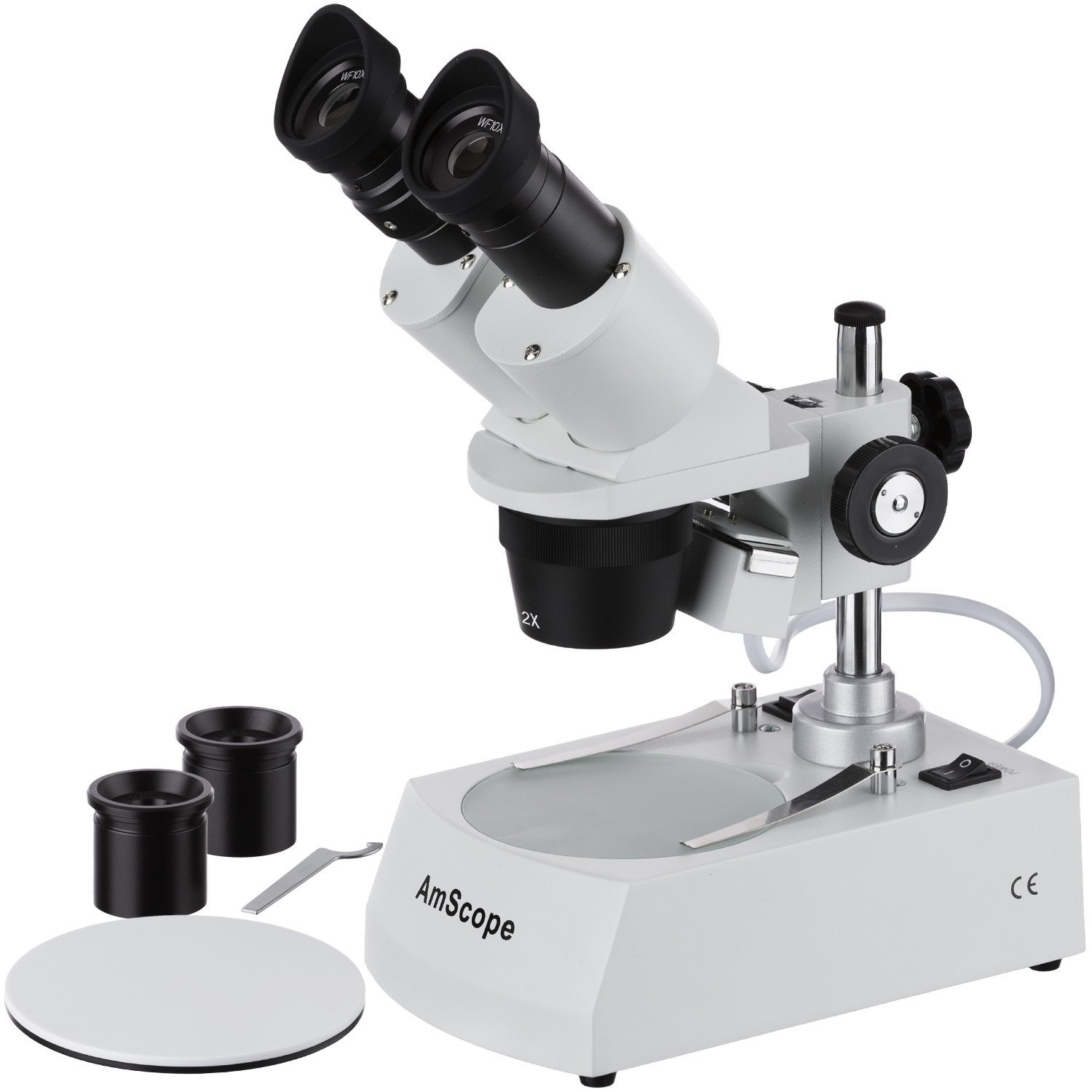
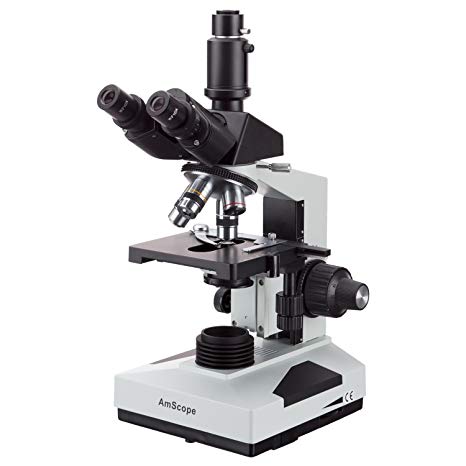
3. Microscopes
Microscopes allow engineers and researchers to examine and analyze the details of various samples, components, and materials. Here are some engineering labs where microscopes are commonly used:
Materials Science and Engineering Labs
- They aid in identifying manufacturing defects, analyzing solder joints, and evaluating electronic device quality and reliability.
Biomedical Engineering Labs
- It helps with biological sample analysis, cellular imaging, histology studies, etc.
Nanotechnology Labs
- In nanotechnology labs, they help characterize and manipulate nanoscale structures and devices.
Mechanical Engineering Labs
- Microscopes aid the analysis of mechanical components' surface roughness, wear patterns, and fracture surfaces.
2. Soldering Iron
Soldering irons are essential engineering lab equipment used for various tasks, including assembly, repair, and modification of electronic devices. Engineering labs where soldering irons are commonly used:
Electronics Labs
Engineers and technicians use soldering irons to attach resistors, capacitors, integrated circuits (ICs), connectors, and other components to create functional electronic circuits.
Electrical Labs:
Soldering irons in electrical labs are used for soldering electrical wires, cables, and connections.
Robotics and Automation Labs
In robotics and automation labs, engineers use them to solder wires, connectors, and components on robot platforms, control systems, and sensor assemblies.
Besides this, it is used in the following labs:
- Communications Labs
- Renewable Energy Labs
- Prototyping Labs
1. Air Compressor Unit
An air compressor unit in engineering labs aims to generate and supply compressed air for various applications. Some common purposes of Air Compressor Units in Engineering Labs are:
- Air compressor units provide compressed air that can be utilized for tasks such as drilling, cutting, grinding, sanding, and painting in engineering labs.
- Air compressors provide the necessary pressure to control the movement and operation of mechanical systems and components.
- Air compressor units also supply clean and regulated air for testing purposes in engineering labs.
- Compressed air can be used for cooling and drying applications in engineering labs.
Some of the engineering labs that use air compressor units:
- Mechanical Engineering Labs
- Automation and Robotics Labs:
- Manufacturing and Prototyping Labs
- Fluid Power Labs, etc
To know about the detail information and list of engineering lab equipment useful in educational institutes. Ask details from us via email for quick response @ sales@aticolabexport.com
Read More Post: How to Choose Best Quality Engineering Lab Equipment for Laboratories?